
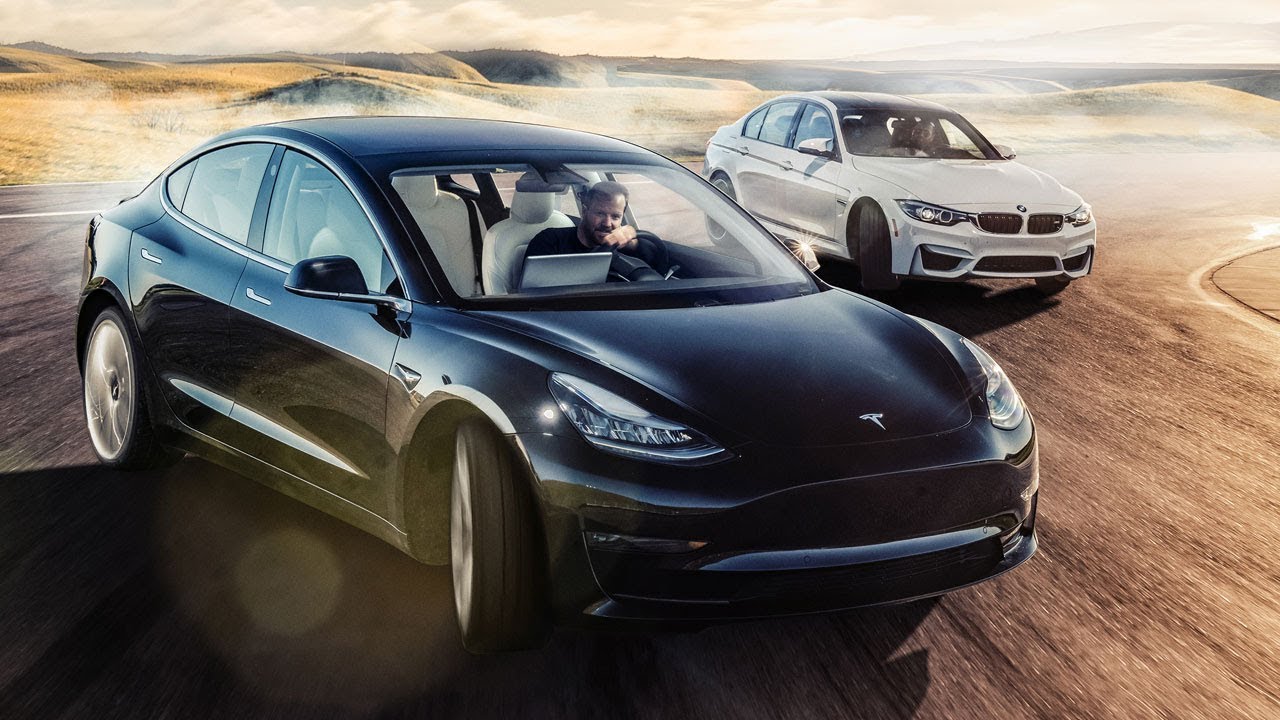
Tesla Model 3 vs BMW M3: Track Battle and Performance Comparison
The Tesla Model 3 versus BMW M3 matchup is one of the most important comparison lanes TeslaRaces can own because it pits Tesla against one of the clearest legacy performance benchmarks on the market. The M3 is not just another fast sedan. It is one of the names people use when they want to define what a sport sedan is supposed to feel like.
That makes this post more valuable than a random embed. It is a direct confrontation between two different definitions of performance. The Tesla Model 3 brings instant response, all-wheel-drive confidence, and deceptively serious speed. The BMW M3 brings brand legacy, chassis heritage, and a long-established enthusiast standard.
Race Overview
This track battle matters because it goes beyond a simple standing-start drag race. It asks a more useful question: how does the Tesla stack up when compared to a car that performance buyers already understand and respect?
That matters because a lot of searchers landing on this page are not just looking for entertainment. They are trying to understand whether Tesla's speed translates into broader performance credibility, or whether the BMW still owns the more complete enthusiast experience.
Vehicle Comparison Snapshot
### Tesla Model 3
- Quick acceleration and strong real-world pace
- EV torque delivery changes launch and exit behavior
- Feels more effective than dramatic
- Often underestimated because of its everyday appearance
- Traditional sports-sedan benchmark
- Strong motorsport reputation and enthusiast trust
- More established as a driver's car
- Delivers performance with more noise, feel, and identity
### BMW M3
What the Comparison Tells Us
The most useful part of this matchup is not just whether the Tesla can hang. It is how it changes expectations. A lot of people still assume the M3 should own the performance narrative by default. But the Tesla's immediacy can make that assumption look outdated in specific contexts, especially when acceleration matters more than theater.
At the same time, the BMW still has a reason to exist beyond numbers. It represents a different style of performance, one built around feedback, brand legacy, and a more traditional enthusiast reward system. That tension is what gives this post lasting value if it is written well.
Why This Post Matters
This is a strong target for remediation because it sits near real buyer-intent territory. Tesla versus BMW is not just a race-video query. It can support broader decision-making content around performance sedans, EV adoption, and how much straight-line speed should matter compared to handling and feel.
That gives the page more long-term utility than generic content and makes it a better candidate for internal linking, future comparison articles, and monetizable audience attention.
Final Take
The Tesla Model 3 versus BMW M3 battle matters because it forces a simple question: if the EV is faster in some of the ways buyers care about most, what remains uniquely valuable about the traditional sport-sedan formula? That is a better story than a bare recap, and exactly why this post is worth upgrading.